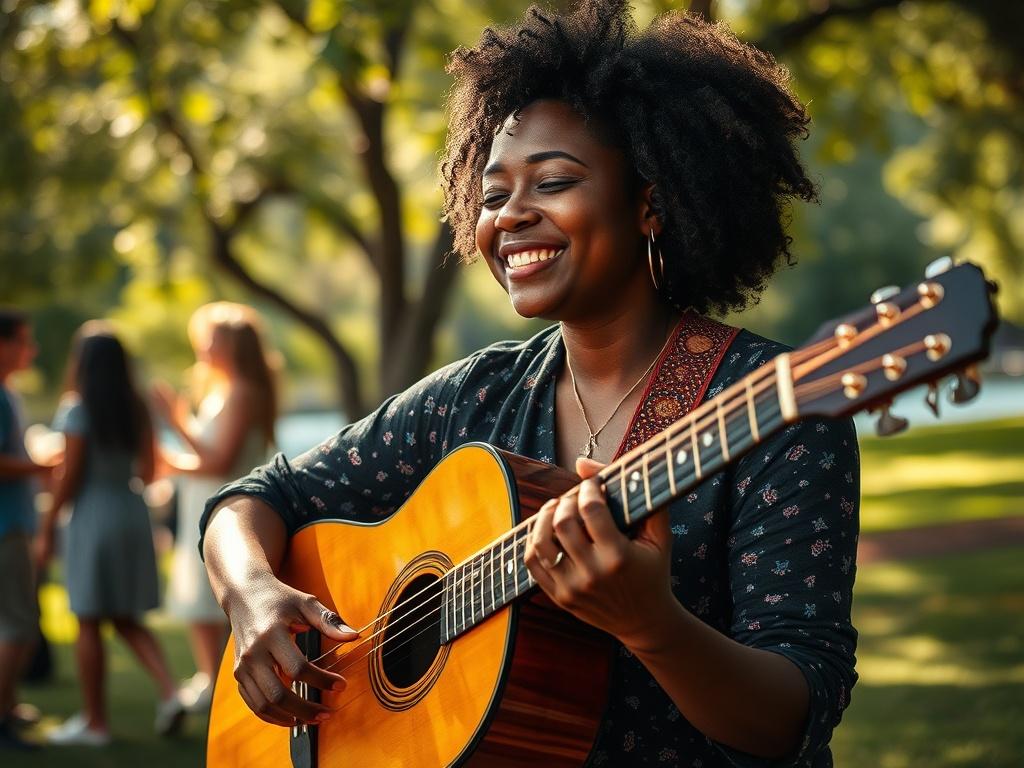
Music has an extraordinary ability to unite individuals, weaving bonds that deepen our sense of community. Through shared melodies and rhythms, we discover how music cultivates deep connections, breaking down barriers and fostering understanding among diverse groups. Whether it's singing together in a choir, dancing at local festivals, or simply sharing playlists with friends, music ignites passion and camaraderie, reminding us of our shared humanity.
Beyond connection, music serves as a profound source of healing for both the mind and heart. Research shows that melodies can uplift spirits, alleviate stress, and even enhance cognitive function. In our blog post, we will unveil the healing effects of music on mental and emotional well-being, illustrating how tunes can transform lives—instilling joy and hope while strengthening the bonds that tie us together. Join us on this journey to explore the transformative power of music within our community.
Discover how music cultivates deep connections within our community
Music serves as a universal language, transcending barriers and fostering connections among individuals from diverse backgrounds. When people come together to share their love for a particular genre or participate in a live performance, they create a bond that strengthens their sense of belonging. Community events, such as concerts, music festivals, and local jam sessions, provide platforms for individuals to unite and celebrate their shared passions. As they sing along to familiar tunes or create spontaneous harmonies, they cultivate friendships that may last a lifetime, transforming strangers into friends.
Moreover, music can serve as a powerful tool for storytelling and expression, allowing individuals to communicate their experiences and emotions in ways words often cannot. In community settings, such as schools, churches, and recreational centers, group music activities like choir singing or drumming circles build a strong sense of camaraderie. Participants not only contribute their unique voices but also listen to and support one another. This interaction fosters empathy and understanding, ultimately weaving a tight tapestry of relationships built on mutual appreciation and shared experiences, proving that music truly connects us all.
Unveiling the healing effects of music on mental and emotional well-being
Music possesses a remarkable power to heal, serving as a therapeutic tool for many individuals facing mental and emotional challenges. Scientific studies demonstrate that listening to music triggers the release of neurotransmitters such as dopamine, which plays a crucial role in regulating mood and alleviating feelings of anxiety and depression. For those grappling with stress, engaging with music—whether by listening, singing, or playing an instrument—can create a calming environment that encourages relaxation and mindfulness. As people immerse themselves in melodies that resonate with their experiences, they often find solace and comfort, transforming their emotional landscape into a more positive space.
Moreover, music therapy has emerged as a recognized practice in healthcare, offering structured programs that harness the healing potential of music. Trained therapists utilize music to address various psychological issues, helping patients express emotions that may be challenging to articulate. Through rhythm, melodies, and lyrics, individuals can navigate complex feelings, fostering personal growth and self-discovery. The healing effects of music extend beyond individual experiences; they create a collective atmosphere of support and understanding, allowing community members to connect over shared emotional journeys. In this way, music not only uplifts spirits but also serves as a vital vehicle for emotional healing within our collective community.
Experience the joy of music: Transforming lives and strengthening bonds
Music holds a unique ability to transform lives, allowing individuals to express their emotions and experiences in ways that words alone often cannot capture. Whether it’s singing in a choir, dancing at a local festival, or participating in a community drum circle, these shared musical experiences foster joy and create lasting memories. As people engage in these activities together, they form deep emotional connections that transcend age, background, and social status. This sense of belonging not only enhances personal enjoyment but also strengthens the community fabric, proving that music truly is a universal language that resonates with the heart.
The joy of music extends beyond individual experiences; it plays a vital role in building and nurturing relationships. When people come together to share in the beauty of a song or the rhythm of a beat, they create bonds that can uplift and inspire. Local concerts, open mic nights, and community music programs offer opportunities for individuals to connect over shared passions, nurturing friendships and encouraging collaboration. These joyful interactions empower people to engage more fully with their surroundings, reinforcing social ties and promoting a sense of unity that enriches the entire community. Through music, we not only celebrate our differences but also discover the common threads that unite us all, creating a harmonious environment where joy flourishes.
